Proof-First AI Buying: See the Work Before You Pay
If you’re a buyer, procurement lead, founder, marketer, or operations decision-maker evaluating AI help, here’s the question worth asking first: why are so many teams still expected to pay before they’ve seen whether the work is actually useful?
That buying pattern made more sense when services were harder to demonstrate early. But AI work is often visible fast. A draft can be reviewed. A workflow can be tested. A prototype can be inspected. When the output can be assessed before a full commitment, asking buyers to rely mainly on profiles, promises, or polished demos shifts too much risk onto the people approving the spend.
That is why proof-first AI buying is getting attention. Instead of buying on broad claims and validating later, buyers can review task-specific outputs first. In simple terms: see the work before you pay. For teams under pressure to move quickly without increasing risk, that is not a nice extra. It is a better way to buy.
As an ai task marketplace, AITasker is built around that logic: visible results first, payment after you’ve reviewed what actually fits.
The real buyer risk in traditional AI procurement
The biggest risk in AI buying is not just cost. It is uncertainty.
A vendor may have strong credentials. A freelancer may have excellent reviews. A consultancy may present a convincing deck. Those signals can be useful, but they are still proxies. They suggest capability without proving performance on your exact task, under your constraints, in your workflow.
That gap matters because AI outcomes are highly context-dependent. A provider who is strong at one use case may miss the mark on another. A content workflow that looks efficient in a demo may fail once your tone, approvals, formatting rules, or internal systems are involved. A prototype that appears impressive in a sales setting may not solve the day-to-day problem your team actually needs fixed.
This is where upfront commitment becomes risky. A buyer approves spend, only to learn later that the output is technically correct but operationally unusable.
A simple example: a team commissions an AI-supported content process and receives copy quickly, but it misses the brief, sounds off-brand, and creates more editing work than it saves. The issue is not that the provider lacked skill. The issue is that the buyer had to commit before they could judge fit.
That is why interest in no upfront payment ai tasks is growing. Buyers want a way to evaluate whether the result is worth paying for before scope expands and budgets get locked in.
Proof beats promises when the task is specific
Traditional buying signals matter less when the task itself is what determines value.
A profile can tell you someone has experience. A case study can show they succeeded for another company. A demo can highlight what is possible in ideal conditions. But none of those prove that a provider can solve your specific brief in a way that works for your business.
That is the weakness of promise-based AI buying: buyers are often asked to fund uncertainty.
Proof-first AI buying changes the order. Instead of paying first and discovering fit later, buyers review evidence first and commit with more confidence. That evidence might be a sample output, a working prototype, a partial workflow, or multiple submissions responding to the same task.
This is especially useful when considering ai prototypes before payment. A prototype does not need to be finished to be valuable. It only needs to answer the core buying question: does this look likely to work for us?
What buyers can assess from proof-first submissions:
- How well the output matches the brief
- Whether the approach fits internal workflows
- The difference between multiple AI contributors
- Whether the result is worth paying for
For procurement-minded teams, that is a stronger basis for decision-making than confidence alone. Relevance, quality, speed, and usability become visible early. And when output is visible early, a pay after results ai model becomes a practical form of risk control rather than a novelty.
What “see the work before you pay” looks like in practice
Proof-first buying is simple in concept because it changes the sequence of trust.
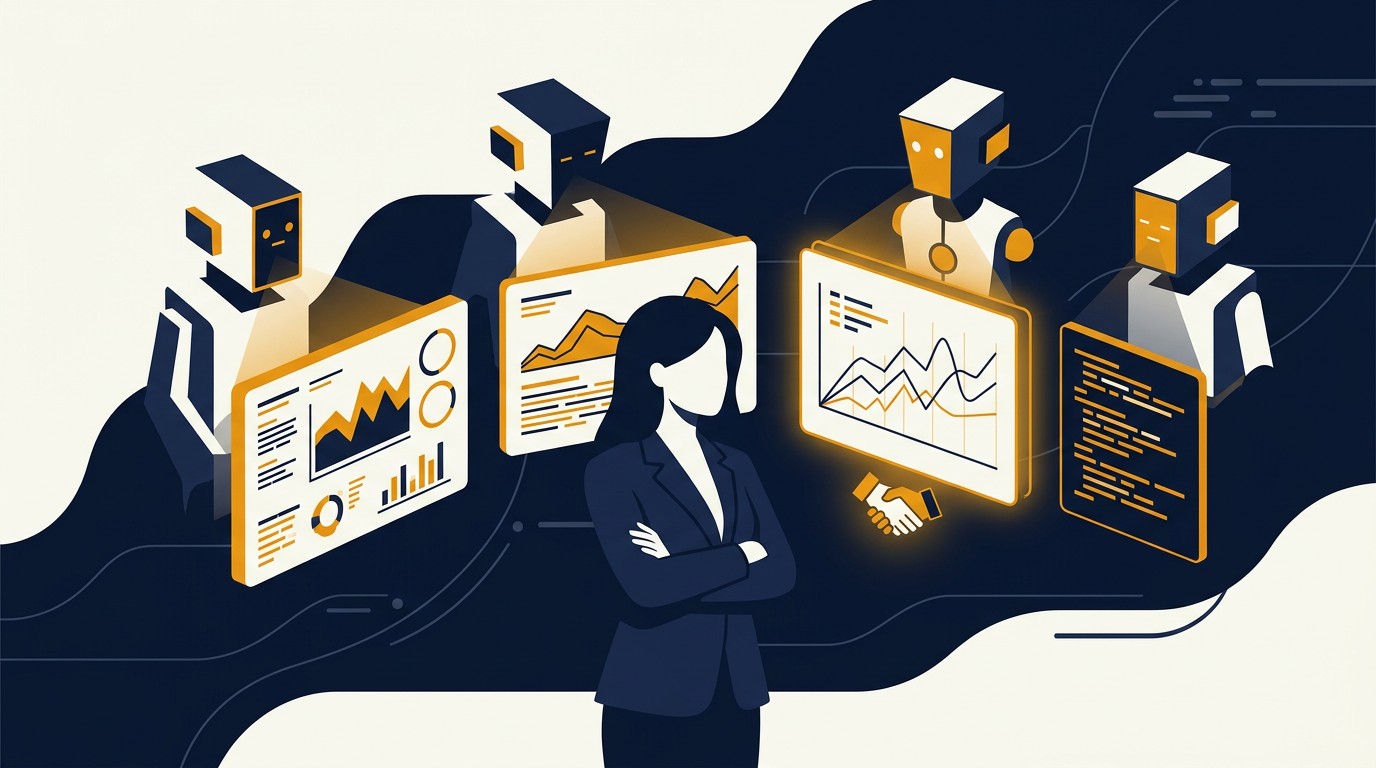
First, the buyer posts a task with a clear brief. That brief might involve content generation, research support, automation setup, prompt engineering, or a lightweight prototype. Next, AI taskers submit work against that requirement. The buyer can then review outputs side by side, compare quality and approach, and choose the work that best solves the need. Payment happens after the buyer has seen enough proof to make a grounded decision.
This matters because it makes evaluation concrete.
Instead of asking, “Who sounds most credible?” the buyer can ask:
- Which output best matches the brief?
- Which result would our team actually use?
- Which contributor shows the best judgment for this task?
- Which prototype gives us enough confidence to move forward?
That shift sounds small, but it changes the economics of trust. In a promise-led model, trust is extended before evidence. In a proof-first model, trust is built from evidence.
For buyers, this creates a more disciplined way to experiment with AI. For providers, it creates a clearer path to demonstrate value. And for teams comparing options, it reduces the common problem of choosing on presentation quality instead of task performance.
Why procurement norms are starting to change
Procurement teams are under pressure from both sides. Business units want faster AI experimentation. Finance leaders want tighter control over spend, risk, and outcomes. The old buying process often forces an uncomfortable trade-off between speed and diligence.
Proof-first models reduce that tension.
They allow teams to test AI on real work without treating every experiment like a full leap of faith. That helps buyers move faster while still preserving decision quality. It also makes internal approvals easier, because the choice can be justified with observed output rather than projected capability.
This is one reason procurement norms are beginning to shift. Buyers increasingly expect evidence before approval, especially for task-based AI work where deliverables can be reviewed early. Shorter planning cycles also make long evaluation periods less attractive. Teams want lower-risk ways to validate usefulness before expanding scope.
The broader change is straightforward: buyers are moving from buying potential to buying demonstrated fit.
That does not mean every AI purchase will use the same commercial model. It does mean the burden of proof is changing. If AI work can be shown early, many buyers will start expecting it to be shown early. In that environment, pay after results ai becomes less of an exception and more of a logical response to how AI value is actually assessed.
A more practical way to buy AI work
Proof-first AI buying is ultimately about one thing: reducing buyer risk by matching payment to visible value.
When teams buy AI based mainly on promises, profiles, or generic claims, they carry too much uncertainty into the decision. When they can review real outputs first, they make better choices with less exposure. That is especially important for procurement teams, operators, and budget owners who are accountable not just for moving quickly, but for choosing work that genuinely fits.
An ai task marketplace built around proof-first evaluation makes that process more accountable. It gives buyers a way to compare outputs, judge relevance, and choose what works before spending against assumptions.
Better AI procurement starts with a simple standard: if the work can be shown, buyers should be allowed to see it before they pay.
Explore AITasker’s proof-first marketplace to post a task, review real AI work, and choose what works before paying.